



Products / BARK MULCH
Bark Mulch
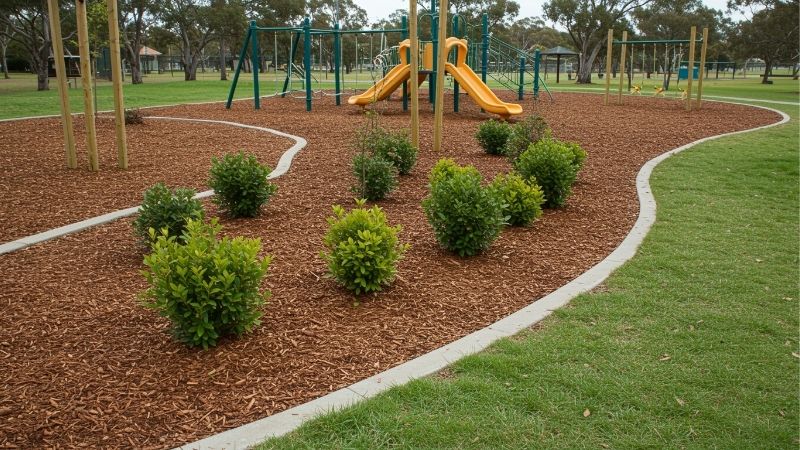
If you are searching for bark mulch, you are usually trying to solve a real outdoor problem fast. You want beds that look clean, weeds that slow down, soil that stays moist longer, and a finish that holds up through changing weather. Bark mulch is one of the most reliable ways to get there, as long as you pick the right type and apply it the right way.
If you have used mulch before and felt it broke down too quickly, floated away, or looked messy after a few weeks, you are not alone. Those issues are usually caused by the wrong product for the job, or by an install method that does not match the site.
Bark mulch is not just about appearance. It supports healthier soil by reducing surface evaporation and buffering temperature swings near plant roots. It also helps reduce splash back from soil onto leaves and stems during watering or rain, which can make planting areas look cleaner and can lower stress on plants. The key is selecting a bark mulch grade that matches your goals, then installing it so it stays put and performs the way you expect.
How bark mulch compares to other mulch options
People often use the word mulch to mean one product, but mulch is a category. Bark mulch is made from tree bark, typically processed into a consistent grade. Other common mulches may include wood chips, shredded wood, composted blends, or decorative products. Each one can work well, but they do not behave the same once they are installed.
Bark mulch tends to be valued for a balanced mix of appearance and performance. It usually settles into a tidy surface, it can resist matting when the grade is right, and it can last longer than many softer, finer blends. Compared with very fine mulches, bark mulch often holds its structure better and keeps a cleaner look over time. Compared with larger wood chips, bark mulch can create a more finished bed surface and can be easier to rake smooth.
A helpful way to choose is to think in terms of what you want the bed to do. If your top goal is a refined decorative finish, you may prefer a bark mulch grade that looks uniform and neat. If your top goal is staying power, you may prefer a slightly chunkier bark mulch that interlocks and resists quick breakdown. If your top goal is quick soil improvement, a compost forward mulch may be useful, but those can look different and may need topping up sooner. Bark mulch sits in a practical middle ground that works well for many residential and commercial landscapes.
Choosing the right bark mulch grade
Bark mulch usually comes in a few common grades. The exact naming varies by supplier, but the idea is consistent. Finer grades look smoother and more uniform. Medium grades often give the best blend of tidy appearance and durability. Larger pieces can be excellent for slope stability and longer life, but they may look more natural and less manicured.
- Finer bark mulch tends to look clean and decorative, but can compact if installed too deep or if it stays saturated.
- Medium bark mulch is a common choice for planting beds because it spreads well, resists rapid breakdown, and stays visually consistent.
- Chunkier bark mulch can handle heavy rainfall and slopes better, with strong staying power, though the look is more rugged.
One more practical point is how bark mulch interacts with wind and water. Very light, dry, shredded products can shift around. Bark mulch usually has enough structure to settle and stay, especially after a light watering. The best results come from pairing the grade with the site conditions. A protected courtyard bed can look perfect with a finer grade. A more exposed bed or a sloped area often performs better with medium to chunkier bark mulch.
Benefits of bark mulch when it is installed correctly
Bark mulch does more than make a yard look finished. When installed at the right depth, bark mulch helps reduce moisture loss from the soil surface. That means less frequent watering and more consistent moisture for plant roots. Bark mulch also helps soften temperature swings, which can be especially helpful during periods of sudden heat or cold.
Another benefit is weed suppression. Bark mulch does not magically stop every weed, but it makes it harder for many weed seeds to germinate and push through. The result is fewer weeds, easier spot weeding, and beds that stay cleaner between maintenance visits. Bark mulch also reduces soil splash when it rains or when sprinklers run. That keeps plants cleaner and can help reduce stress on leaves and stems.
How deep to apply bark mulch
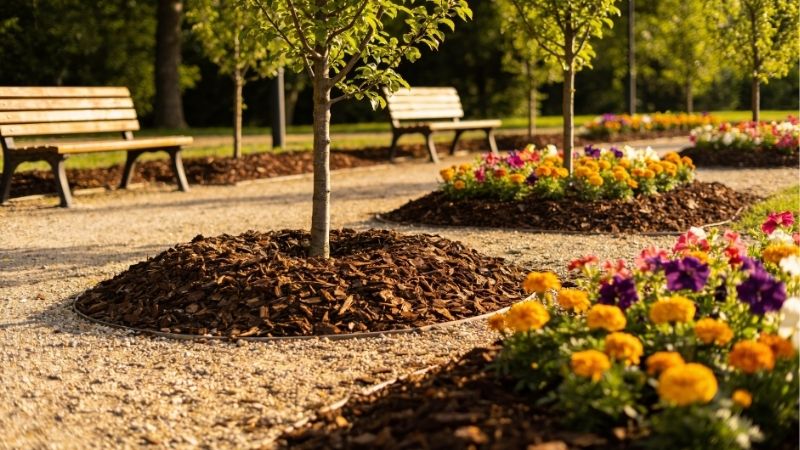
For most planting beds, a depth of about two to three inches is a strong target. That depth is typically enough to reduce weeds and hold moisture without smothering the soil. Going too thin can lead to quick fading and weaker weed suppression. Going too deep can reduce air flow near the root zone and can cause moisture to stay trapped against stems.
- Apply bark mulch evenly across the bed, then rake lightly to level.
- Keep bark mulch a few inches back from trunks and plant stems.
- Water lightly after install to help the bark mulch settle and lock together.
Common bark mulch mistakes that cause poor results
Most bark mulch complaints come from a short list of avoidable mistakes. The first is installing over weeds or grass without proper preparation. Bark mulch is not a substitute for clearing the bed. A quick edge, a clean base, and removal of existing weeds makes bark mulch look better and work better.
Another common issue is piling bark mulch against tree trunks, sometimes called a volcano shape. It looks tidy on day one, but it can trap moisture and create stress for the tree over time. Bark mulch should sit like a blanket, not a mound against the trunk. A clean ring with space around the trunk is the safer and more professional look.
Finally, be careful about mixing products without a plan. If you top one mulch with another grade that behaves differently, you can end up with uneven texture and inconsistent breakdown. Bark mulch performs best when the bed is refreshed intentionally. Many property owners prefer a seasonal top up that restores color and coverage, rather than waiting until the bed looks thin and patchy.
Bark mulch delivery and fast installation
Many people searching bark mulch are also searching delivery, bulk supply, and install options. That is because moving and spreading bark mulch is the part that takes time. If you are refreshing multiple beds, a bulk delivery can be more cost effective and more consistent than small bags. Bulk bark mulch also makes it easier to match color and texture across the property, so the whole landscape looks intentional.
If access is tight or you want a cleaner install, blower installation can be a smart option. People look for phrases like bark mulch blower installation, bark blower truck, blower truck delivery, or blower install mulch. A blower setup can place bark mulch efficiently into beds, around shrubs, and into areas where wheelbarrows become frustrating. It also helps keep hard surfaces cleaner, since material can be placed with more control.
When blower installation makes the most sense
Blower installation is not always required, but there are a few situations where it can save serious effort. It is especially useful when you have a lot of bark mulch to place, when the beds are far from the driveway, or when you want to avoid repeated trips with a wheelbarrow. It is also helpful for commercial sites where speed matters and the landscape needs to look finished quickly.
- Large volume installs where consistent coverage matters
- Backyard beds with narrow access routes
- Sites where you want to minimize mess on walkways and patios
- Time sensitive refreshes where a clean result is needed quickly
Not sure how much bark mulch you need. A practical estimate is to measure the bed area in square feet, then plan for depth. At about three inches deep, one cubic yard typically covers roughly one hundred square feet. This is a solid starting point for estimating bark mulch quantities for most planting beds. For thinner refresh layers, coverage increases. For deeper installs, coverage decreases.
The bottom line is that bark mulch works best when the product and the install match the site. If you want a clean decorative finish, select a consistent grade and apply it evenly. If you want durability and fewer refreshes, choose a medium to chunkier bark mulch and avoid overworking it after installation. If you want speed and a tidy job, consider delivery and blower installation so the bark mulch lands where it needs to be with less handling.
Bark mulch questions and answers
What is bark mulch and what is it made from
Bark mulch is mulch made primarily from tree bark that has been processed into a consistent grade. It is commonly used in planting beds to improve appearance, reduce moisture loss, and slow weed growth.
Is bark mulch better than wood chips
Bark mulch and wood chips can both work well. Bark mulch often provides a more refined look and can settle into a tidy surface. Wood chips can be excellent for natural areas and may last well depending on chip size. The best choice depends on the look you want and the conditions of the bed.
How deep should bark mulch be installed
For most planting beds, about two to three inches is a reliable depth. That range supports moisture control and weed suppression without creating excess moisture around stems.
How often should bark mulch be refreshed
Many landscapes benefit from a light top up when the bed looks thin or faded. Some sites refresh seasonally for color, while others top up less often depending on exposure and maintenance style.
Does bark mulch attract insects
Bark mulch can provide shelter for insects because it is organic material, but it is not automatically a problem. Proper depth, good drainage, and keeping mulch away from building foundations reduces unwanted pest activity.
Can bark mulch be used around trees and shrubs
Yes, bark mulch is commonly used around trees and shrubs. Keep it a few inches away from trunks and stems so moisture does not stay trapped against the plant.
What is the difference between bark mulch and compost mulch
Bark mulch is primarily bark and tends to hold structure for a finished look. Compost forward mulches focus more on feeding the soil and may look darker and finer, often requiring more frequent topping up for appearance.
Will bark mulch stop weeds completely
Bark mulch reduces weed pressure by limiting light and making germination harder, but some weeds can still appear. Best results come from good bed prep, proper depth, and quick removal of any weeds that do sprout.
How much bark mulch do I need
Measure your bed area in square feet, then decide the depth. A common planning rule is that one cubic yard at about three inches depth covers roughly one hundred square feet. Adjust up or down based on your target depth and site conditions.
What is bark mulch blower installation
Blower installation uses equipment that moves bark mulch through a hose to place it directly into beds. It can speed up installs, improve placement control, and reduce repeated hauling, especially for larger volumes or hard to reach areas.
