



Articles
Bark Mulch Supply - Bark Mulch Metro Vancouver
Feb 20, 2026Bark Mulch for Residential and Public Landscapes
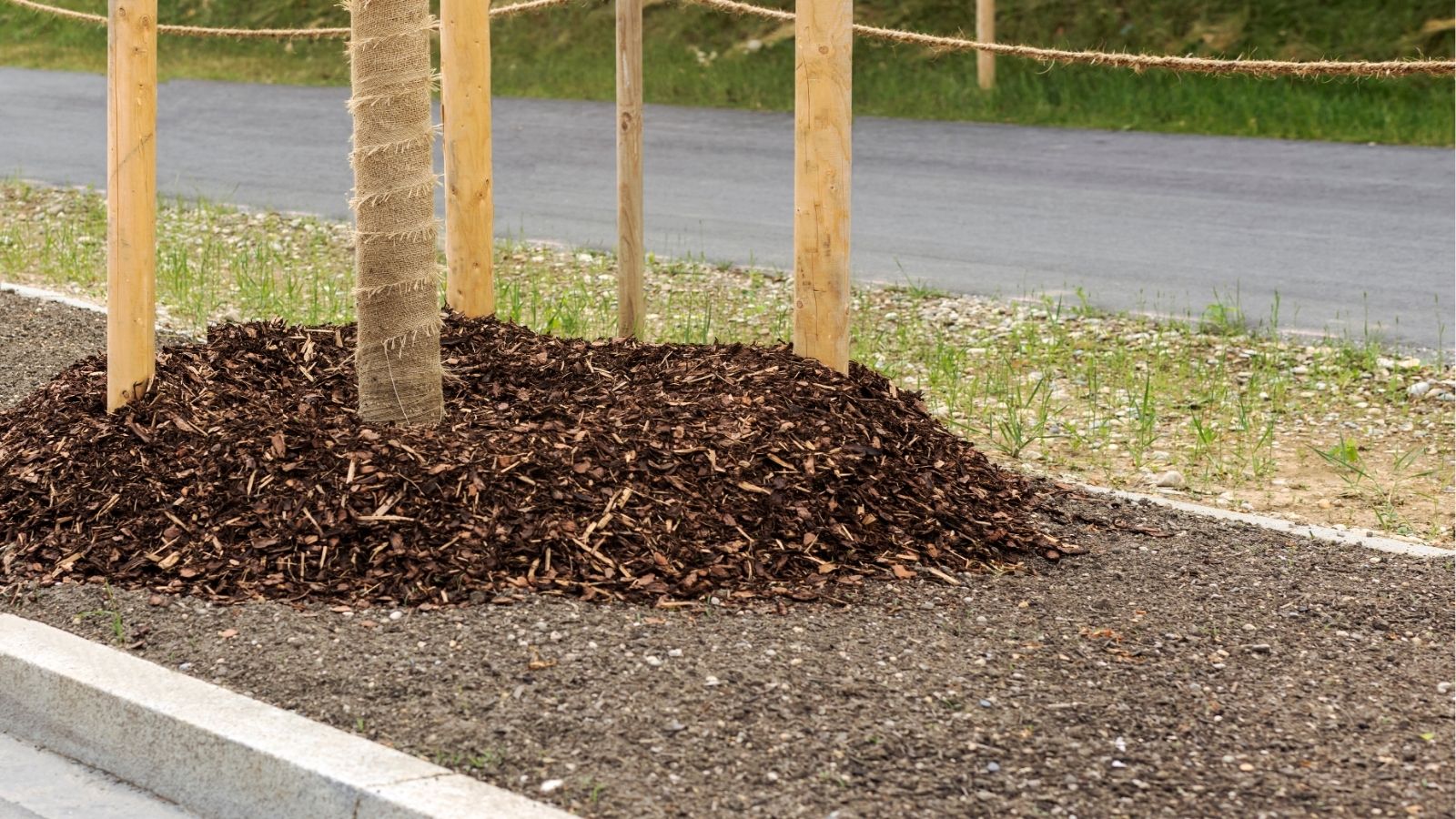
When people search for bark mulch, they are usually not just looking for a product. They are trying to fix something. Maybe the garden beds look tired. Maybe weeds are creeping in. Maybe the soil dries out too fast in summer and turns muddy in heavy rain. Bark mulch solves a surprising number of those issues at once, which is why it remains one of the most widely used landscape materials in both private and public spaces.
At its core, bark mulch is processed tree bark that has been sized into a consistent grade. It is different from random wood chips or mixed compost blends. Bark mulch is selected and screened for a specific purpose. That purpose is to create a clean, stable surface layer over soil that improves appearance while also supporting healthier planting conditions.
Why Bark Mulch Works So Well
There is a reason bark mulch is used everywhere from residential front yards to municipal parks and commercial properties. It performs reliably.
Bark mulch reduces moisture loss. A proper two to three inch layer helps slow evaporation from the soil surface. That means plants stay hydrated longer, watering schedules become more manageable, and root systems experience fewer sudden swings in moisture levels. Bark mulch moderates temperature. During warm weather, it shades the soil and keeps root zones cooler. During colder stretches, it acts as a buffer layer. Plants experience fewer extremes, and that stability often shows in their overall health.
Third, bark mulch helps reduce weed pressure. It does not eliminate weeds entirely, but it blocks sunlight from reaching many seeds and makes it harder for them to take hold. When weeds do appear, they are easier to remove because the soil beneath remains softer and more workable.
And then there is appearance. A fresh layer of bark mulch instantly sharpens a property. It defines planting beds, creates contrast against lawns and hardscape, and makes shrubs and flowers stand out.
Bark Mulch in Private Residential Spaces
Homeowners use bark mulch for many reasons. In front yards, it creates curb appeal. Around foundations, it provides a clean transition between the home and landscaping. In backyard gardens, it keeps vegetable and perennial beds manageable.
Many homeowners appreciate that bark mulch does not look artificial. It feels natural. It blends into the landscape rather than overpowering it. Depending on the grade chosen, it can look refined and decorative or slightly more rugged and organic.
Another benefit in residential settings is maintenance control. Instead of constant weeding and watering adjustments, bark mulch simplifies care. A seasonal top up can refresh the look and restore coverage without needing a full overhaul.
For properties with slopes or uneven terrain, slightly chunkier bark mulch grades often hold their position better than very fine materials. Once watered lightly and settled, bark mulch tends to interlock and resist shifting.
Bark Mulch in Public and Commercial Spaces
Public spaces rely on bark mulch for practical reasons as much as visual ones. Parks, schools, municipal buildings, shopping centers, and office complexes need materials that look good but also withstand traffic and weather.
In these environments, bark mulch helps manage large planting areas efficiently. It reduces erosion in open beds, supports tree health along boulevards, and provides a consistent finish across wide landscapes.
Maintenance crews often prefer bark mulch because it is predictable. It spreads evenly, it refreshes cleanly, and it does not require constant rework. For higher volume projects, blower installation is sometimes used to place bark mulch quickly and accurately, especially in areas where wheelbarrow access is limited.
In playground or community areas where aesthetics matter but durability matters more, selecting the right bark mulch grade makes a noticeable difference. Medium to larger pieces can offer better longevity and stay in place through seasonal changes.
Choosing the Right Bark Mulch Grade
Not all bark mulch is the same. The grade you select influences how it looks and how it performs.
Finer bark mulch creates a smoother, more polished surface. It is often chosen for decorative beds near entrances or patios. However, it should not be installed too deeply or allowed to remain waterlogged.
Medium bark mulch is often the most balanced choice. It provides structure, resists rapid breakdown, and maintains a clean appearance over time. For many residential and commercial landscapes, this grade offers the best mix of beauty and durability.
Chunkier bark mulch is often used where erosion control and staying power are priorities. On slopes or in high exposure areas, larger pieces can interlock and remain stable longer.
The key is matching the bark mulch grade to the environment rather than choosing purely by appearance.
Proper Installation Matters
Even high quality bark mulch can underperform if installed incorrectly.
Beds should be cleared of weeds before installation. Applying bark mulch over active growth only delays the problem. A clean base ensures better results.
Depth matters. Two to three inches is generally ideal. Too thin and you lose the moisture and weed benefits. Too deep and you risk trapping excess moisture around plant stems.
Keep bark mulch pulled slightly away from tree trunks and shrub bases. It should lie flat like a blanket across the soil, not piled against stems.
After spreading, a light watering helps settle the bark mulch and encourage the pieces to lock together naturally.
Long Term Value of Bark Mulch
One of the overlooked advantages of bark mulch is its ability to improve soil over time. As it gradually breaks down, it contributes organic matter to the upper soil layer. This slow process supports soil structure and microbial activity without drastically changing the landscape overnight.
Property owners often find that regular bark mulch maintenance leads to healthier beds overall. Instead of reacting to problems, the landscape stays more stable season after season.
When chosen carefully and installed correctly, bark mulch is not just decorative. It is a functional layer that supports plant health, simplifies maintenance, and elevates the overall appearance of private and public spaces alike.
Frequently Asked Questions About Bark Mulch
1. What is bark mulch made from
Bark mulch is produced from processed tree bark that has been screened into a consistent size. It is designed specifically for use in landscape beds.
2. How deep should bark mulch be applied
For most applications, two to three inches provides strong moisture retention and weed suppression without overwhelming plants.
3. Is bark mulch better than wood chips
Bark mulch typically offers a more refined look and consistent structure. Wood chips can work well in natural areas, but bark mulch is often preferred for finished landscape beds.
4. How often should bark mulch be replaced
Many landscapes benefit from a light top up when coverage thins or color fades. Some properties refresh annually for appearance, while others extend longer depending on conditions.
5. Does bark mulch help prevent weeds
It significantly reduces weed growth by blocking light and limiting seed germination, though occasional weeds may still appear.
6. Can bark mulch be used in public parks and commercial properties
Yes. Bark mulch is widely used in parks, schools, municipal spaces, and commercial landscapes due to its durability, appearance, and maintenance benefits.
To enjoy these and many more benefits, contact our experts right away! We look forward to working with you on your next project!