



Articles
Bark Mulch for Parks and Public Places
Feb 09, 2026Bark Mulch
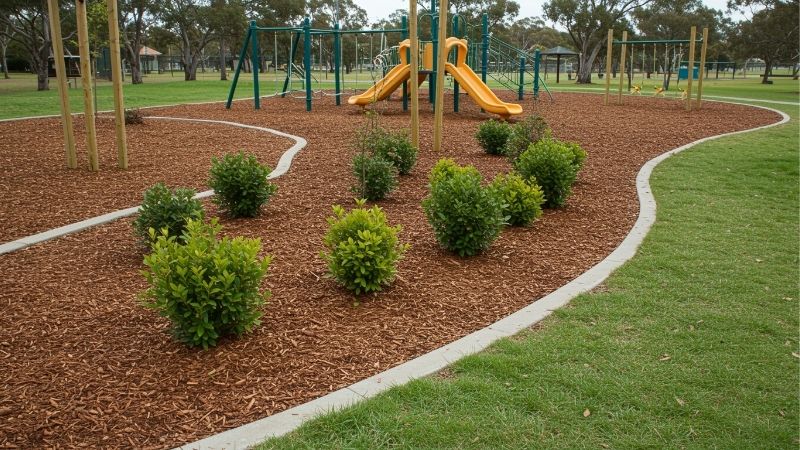
Bark mulch is one of those simple landscaping upgrades that makes a property look finished fast, but it also does real work underneath the surface. It helps garden beds hold moisture, slows down weeds, and protects roots from quick temperature swings. If you have tried mulch before and felt it broke down too quickly, floated away, or looked messy after a few weeks, it usually comes down to two things. The grade was not a good match for the space, or the install was not set up to help the material settle and stay put.
On this page, we break down the most common types of bark mulch, where each one makes sense, and a few practical tips that keep bark mulch looking clean and performing well. Whether you are refreshing a home garden or maintaining larger planting areas, the right bark mulch choice saves time and makes the whole landscape easier to manage.
What bark mulch is and why people choose it
Bark mulch is mulch made primarily from processed tree bark that has been screened into a consistent size. That consistency is a big deal. When bark mulch is graded properly, it spreads evenly, settles naturally, and keeps a tidy surface compared with mixed wood chips or blends that vary a lot from load to load. It is used in residential gardens, public planting beds, commercial properties, and anywhere a clean bed finish and predictable performance matter.
The benefits of bark mulch are easy to see and easy to feel. It acts like a protective blanket over soil. It helps reduce evaporation so planting areas stay moist longer. It also reduces soil splash during rain or irrigation, which keeps plants cleaner and helps maintain a neat look around shrubs, trees, and perennials. On the maintenance side, bark mulch can lower weed pressure by blocking sunlight and making it harder for many weed seeds to germinate.
The other reason bark mulch remains popular is simple. It looks good. Fresh bark mulch defines garden edges, creates contrast, and makes the whole property appear more cared for. In public spaces and commercial landscapes, that visual consistency matters because the site needs to look presentable without constant rework.
Types of bark mulch and how they behave
Not all bark mulch performs the same. Some options are chosen for a more decorative finish, while others are selected for staying power. Below are the most common bark mulch types you will see, plus what they are best for.
Shredded bark mulch
Shredded bark mulch has a fibrous texture that tends to knit together once it settles. That makes it a strong option for areas that deal with heavier rain or slight slopes where lighter materials can drift. It usually breaks down a bit faster than chunky bark, but it holds in place well and creates a natural, soft look in garden beds.
Bark nuggets
Bark nugget mulch is made of larger, chunky pieces of bark. It is often chosen for longevity because it breaks down more slowly. Nuggets can look great in open beds where you want a bold texture. In very exposed areas, the larger pieces may shift until they settle, so a proper install and a light watering helps lock everything in.
Fine bark mulch
Fine bark mulch gives a smoother, more uniform finish. It is popular around entrances, along walkways, and in decorative beds where a clean surface matters. Fine bark mulch holds moisture well, but it should be installed at the right depth. Too thick, and it can compact or hold too much moisture around stems.
Medium bark mulch
Medium bark mulch is the most common choice for a reason. It has enough structure to resist quick breakdown, but it still spreads cleanly and looks tidy. For many residential landscapes and larger public planting beds, medium bark mulch is the best balance of appearance, durability, and ease of maintenance.
Pine bark mulch
Pine bark mulch refers to bark mulch made specifically from pine. It tends to be lighter and is commonly used in ornamental beds and garden settings. Pine bark can be a preferred option for certain plantings, especially where a lighter, more natural look is desired. Like any bark mulch, the grade matters more than the name, so choosing the right size for the space is key.
Cedar bark mulch
Cedar bark mulch is often chosen for its distinctive color and natural resistance to decay. It is commonly used in residential decorative beds. Cedar also has a noticeable scent, which some people love and others prefer to avoid. Performance wise, it can be a solid option when you want a decorative finish that holds up well over time.
Bark mulch in private yards, public spaces, and commercial sites
Bark mulch is used in private spaces because it upgrades curb appeal and keeps garden beds easier to manage. It gives definition to planting areas, makes shrubs and flowers stand out, and helps keep soil from drying out too quickly. Homeowners also like the way bark mulch softens the look of a yard by creating a warm, natural border around plants.
In public and commercial spaces, bark mulch is often chosen for consistency and maintenance control. Parks, schools, municipal beds, and office landscapes need materials that look neat without constant attention. Bark mulch supports that by reducing weeds, reducing soil splash, and creating a uniform finish across large planting areas. When those beds are refreshed regularly, the whole site looks cleaner and more cared for, even during the busiest seasons.
On larger installs, delivery and blower placement can make the job far more efficient. People often search terms like bark mulch delivery or bark mulch blower installation because the labour of moving material is the biggest bottleneck. Blower placement can be especially helpful for long access routes, tight spaces, or properties where keeping hard surfaces cleaner matters.
Installation tips that keep bark mulch looking good
Bark mulch performs best when the bed is prepared properly. Clear weeds first, edge the bed so the bark mulch has a defined boundary, and spread the mulch evenly. For most planting beds, two to three inches is the sweet spot. Too thin, and you lose weed suppression and moisture control. Too thick, and you risk trapping moisture around stems.
Keep bark mulch pulled back a few inches from tree trunks and the base of shrubs. It should sit flat like a blanket over soil, not piled into a mound. After spreading, a light watering helps settle the bark mulch and encourages it to lock together. That small step makes a difference, especially in areas exposed to wind or heavy rain.
Over time, bark mulch naturally breaks down and contributes organic matter to the soil surface. Many people refresh bark mulch with a light top up when coverage thins or the colour fades. Keeping up with small refreshes is usually easier than waiting until the bed looks patchy and starting over.
Bark mulch questions and answers
What is bark mulch used for
Bark mulch is used to finish planting beds, reduce moisture loss, slow weeds, improve soil conditions over time, and create a cleaner overall landscape appearance.
Which type of bark mulch lasts the longest
Bark nuggets and chunkier bark mulches often last longer because the pieces break down more slowly than fine or heavily shredded bark mulch.
How deep should bark mulch be installed
A depth of about two to three inches works well for most beds. It helps with moisture and weeds without smothering the soil or trapping moisture around plants.
Does bark mulch prevent weeds completely
It reduces weeds significantly, but it will not stop every weed. The best results come from good prep, proper depth, and quick removal of any weeds that do appear.
Is bark mulch better than wood chips
Bark mulch often provides a more consistent, finished look and can be easier to maintain in decorative beds. Wood chips can be great too, especially in natural areas. The best choice depends on the look you want and the site conditions.
What is bark mulch blower installation
Bark mulch blower installation uses equipment to place bark mulch through a hose directly into beds. It can speed up installs, reduce manual hauling, and improve placement control in larger or hard to access areas.
To enjoy these and many more benefits, contact our experts right away! We look forward to working with you on your next project!