



Articles
Blower Truck Installs Soil and Bark Mulch at a Uniform Depth
Aug 10, 2026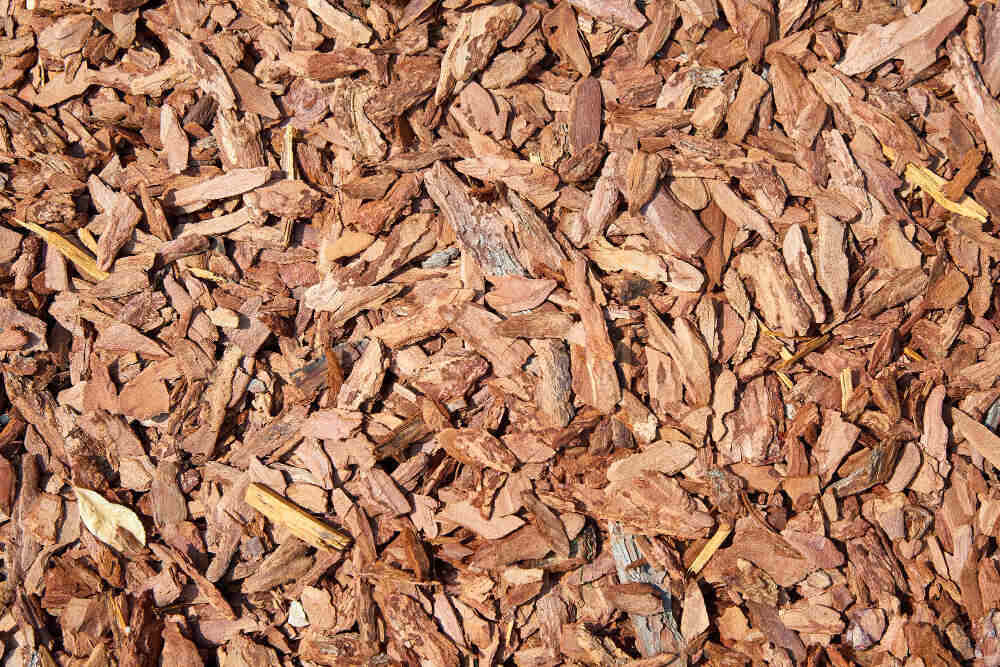
Key Takeaways
-
A blower truck places soil, bark mulch, playground woodchips and similar bulk material through a hose at a controlled, even depth, so the surface is finished as it lands rather than shaped afterward.
-
Because the truck stays on the street or driveway, material can be installed on slopes, rooftops, fenced backyards, medians and finished grade without driving equipment across completed work.
-
Depth consistency is what protects performance: mulch that is too thin lets weeds through, and material that is too thick can hold moisture against plant crowns.
-
Moisture content and screening determine how cleanly material flows, which is one reason we produce our soil blends in-house.
-
We install in 10+ cubic yard loads across the Lower Mainland and Fraser Valley, from Whistler through Vancouver to Chilliwack.
Spreading bulk material by hand is one of those jobs that looks simple on paper and turns into a full week on site. A pile gets dumped at the closest accessible point, then a crew moves it forward one barrow at a time, raking as they go. The result is rarely even. Some areas end up two inches deep, others five, and the difference shows up months later as patchy weed growth, uneven moisture and callbacks nobody budgeted for. Our blower truck changes the sequence entirely by carrying the material through a hose and depositing it directly at the depth the specification calls for.
At Triple Five Quality Wood Inc., we run blower installation for bark mulch, topsoil, wood chips, shavings and sawdust throughout British Columbia's Lower Mainland and Fraser Valley. The service exists because placement, not supply, is usually the bottleneck on a bulk material project. Getting good product to a site is the easy half. Getting it spread evenly across a slope, a courtyard or a rooftop deck is where schedules slip and labour costs climb.
Depth Control From the Hose
The mechanics are straightforward. Material is stored in a hopper on the truck and transported through a large hose using controlled air pressure. An operator manually steers the hose and adjusts the flow as the operation goes, handling three variables at once: where the material lands, how deep it rests, and how evenly it distributes across the surface. Because the hose conducts the transporting, the truck can remain parked at street level while material is deposited hundreds of feet distant, over fences, over hills, or on a deck sixty feet above ground.
That operator control is the reason depth remains consistent. Hand-spreading works backwards from a pile, so the depth is determined by how neatly each barrow load is raked out and how weary the worker is by midafternoon. Blowing moves forward from an empty surface, depositing material in an equal layer as the operator sweeps across it. There is no pile to break down, and no second pass is necessary to level things out.
Consistency matters more than it might appear. Bark mulch applied too thinly gives weeds enough light to establish, which defeats a significant part of why the material was specified. Applied too heavily, particularly against stems and crowns, it can trap moisture where plants would rather stay dry. Growing medium on a green roof is specified to a depth for structural and horticultural reasons, and variance across the deck affects both. When a landscape architect writes three inches into a plan, a blower truck is one of the few practical ways to deliver three inches across the whole area rather than an average of three inches.
Speed comes from a similar design. Our blower installation can spread well over sixty yards of mulch in about three hours, and a project that would normally need eight people can typically be completed by two in less than two hours. Rain, mud, and poor ground conditions do not halt work the way they do for wheelbarrows and skid steers.
Sites Where Even Coverage Is Hardest to Achieve
Blowing earns its cost on properties where conventional spreading is slow, awkward or genuinely unsafe. Steep slopes and berms are the clearest example. Grades that tip a barrow or rut under a machine can be covered from the bottom with steady depth maintained the whole way up, and contoured shapes can be built to a planned profile instead of dumped and reworked.
Rooftops and green roofs are two further applications where the method is nearly irreplaceable. Lifting growing media to deck height typically requires crane time, a hoist crew, and staging space, which is often the largest single line item on many living-roof construction projects. A hose run from a truck at ground level eliminates the step and distributes media across the deck at a predetermined depth.
Several more site circumstances appear often across the region:
-
Backyards without back access: Townhomes, infill lots, and fully enclosed yards with no gates large enough for equipment. Instead of passing through the home, the hose runs over or around the obstruction.
-
The finished grade should not be tracked: No machine traverses new hardscape, turf, or planting beds.
-
Medians and rights of way: Narrow roadside strips and traffic islands are swiftly covered from a single truck position, reducing the time staff spend alongside live traffic and limiting lane closures.
Municipalities, park boards, strata corporations, schools, landscape contractors, developers and green-roof installers all book the service for these reasons. The common thread is access, not project size.
Material Condition and Volume Planning
Placement quality depends heavily on the material itself. Very wet soil clumps and does not flow cleanly, so scheduling shifts during sustained heavy rain. Coarse, rocky or unscreened material can jam a hose, which is why screened blends perform best. We produce our soil blends in-house partly for that reason: material can be matched to the site and prepared so that supply and installation happen in one process rather than two. Hose runs also have a working limit on distance and height, so access gets confirmed before booking rather than discovered on the day.
Volume planning is worth doing before the call. Bulk material is measured in cubic yards, and one cubic yard covers roughly 100 square feet at a depth of three inches. A quick working formula is square footage divided by 100, multiplied by depth in inches divided by three.
Coverage and Depth Reference
|
Coverage Area |
Depth 2 in |
Depth 3 in |
|
100 sq ft |
~0.6 cu yd |
~0.9 cu yd |
|
500 sq ft |
~3.1 cu yd |
~4.6 cu yd |
|
1,000 sq ft |
~6.2 cu yd |
~9.3 cu yd |
|
2,500 sq ft |
~15.4 cu yd |
~23.1 cu yd |
|
5,000 sq ft |
~30.9 cu yd |
~46.3 cu yd |
These figures are estimates for planning purposes. Settling, surface irregularity and specified depth all affect the final number, so confirm volume and access with us before booking.
Even depth is not a final detail in a bulk material project. It impacts how well mulch repels weeds, how water travels through a growing medium, and how much rework a crew must perform after the material has been laid down. Placing it correctly the first time eliminates the majority of the labor, site damage, and equipment costs associated with hand-spreading, which is why a blower truck typically costs less than the alternative on difficult-to-access sites rather than more.
We install in loads of 10 or more cubic yards and cover the entire corridor from Whistler to Chilliwack, including Surrey, Langley, Cloverdale, Abbotsford, and the surrounding Lower Mainland. If you have a slope, a deck, a courtyard, or a stretch of boulevard that requires adequate volume placement, call us at 778-867-2275 with the area, the necessary depth, and a remark on access, and we will match the mix and size the load accordingly.
To enjoy these and many more benefits, contact our experts right away! We look forward to working with you on your next project!